
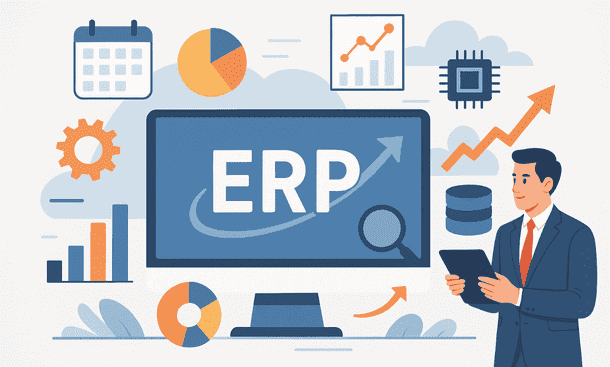
ERP is evolving faster than ever. Companies no longer settle for rigid systems that only handle basic accounting or inventory. In 2025, the focus has shifted toward flexible, intelligent, and industry-aware solutions that adapt to business growth. Entrepreneurs in the US face dynamic markets, and their enterprise software must keep pace. The new generation of ERP platforms integrates modular design, automation, security, and specialized features to support complex operations without slowing down innovation.
Understanding these trends is essential for business leaders planning technology investments. Adopting ERP that aligns with current developments allows companies to scale, optimize workflows, and maintain compliance while staying competitive. Many organizations are already exploring AI-driven analytics, cloud-first deployments, and industry-specific modules, signaling that the ERP landscape is entering a transformative phase.
AI-Powered ERP Tools Transforming Operations
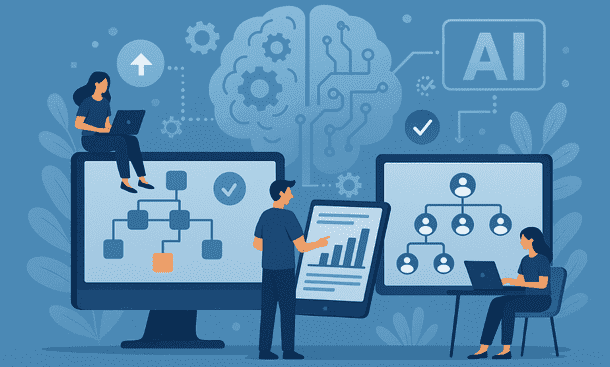
Artificial intelligence is no longer optional for ERP. Modern systems use AI to automate repetitive tasks, forecast demand, and provide actionable insights. Predictive analytics help managers anticipate inventory needs, optimize production schedules, and adjust resource allocation dynamically. Small businesses gain a competitive edge when the software informs decisions in real time rather than relying solely on historical reports.
AI also enhances customer relationship management within ERP. Smart tools analyze sales patterns, track engagement, and identify high-value opportunities. Teams can act proactively instead of reacting to data after the fact. This capability is particularly valuable for growing enterprises that need to align operations with fast-changing market conditions.
Automation goes hand in hand with AI, streamlining workflows across finance, procurement, and logistics. Integrating these tools into a broader ERP strategy reduces manual errors, frees staff for strategic work, and improves operational efficiency. For a deeper look at how intelligent ERP tools drive productivity, the satellite article on AI-powered ERP tools provides practical examples of automation and analytics at work in small business contexts.
Cloud and SaaS ERP Trends Shaping 2025
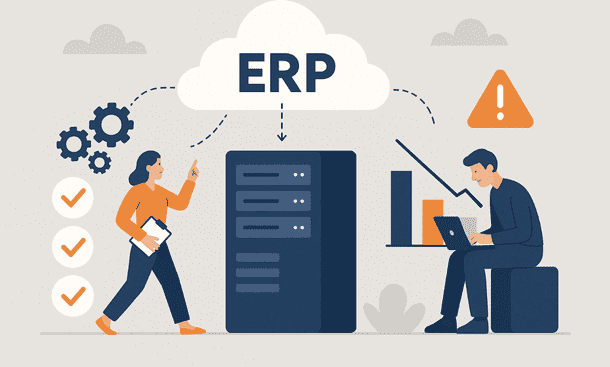
Cloud adoption continues to reshape how businesses implement and use ERP. Traditional on-premise systems require heavy upfront investment, IT infrastructure, and long deployment cycles. Cloud-based ERP, delivered as SaaS, eliminates much of this complexity, offering flexibility, scalability, and continuous updates without major disruptions.
Small businesses benefit from subscription-based models, paying only for what they use. This reduces the financial barrier for implementing sophisticated tools while allowing rapid expansion as needs grow. Cloud ERP also enables remote access, which has become essential in increasingly distributed workforces. Teams can manage operations, track performance, and collaborate securely from anywhere, maintaining efficiency and transparency.
SaaS ERP solutions integrate more easily with other cloud tools, such as CRM, e-commerce platforms, or payment gateways. This connectivity allows businesses to unify data across systems, improving reporting accuracy and decision-making. Security is built into the platform, with encryption, compliance controls, and automated updates that minimize risk and reduce administrative burden.
The flexibility of cloud ERP aligns closely with the trends toward modular and industry-specific solutions. Businesses can start with core modules and expand functionality without the need for lengthy migrations or costly upgrades. For practical guidance on deploying cloud-based ERP and leveraging its benefits, the satellite article on cloud and SaaS ERP trends highlights adoption strategies and efficiency gains.
Composable ERP and Modular Architectures
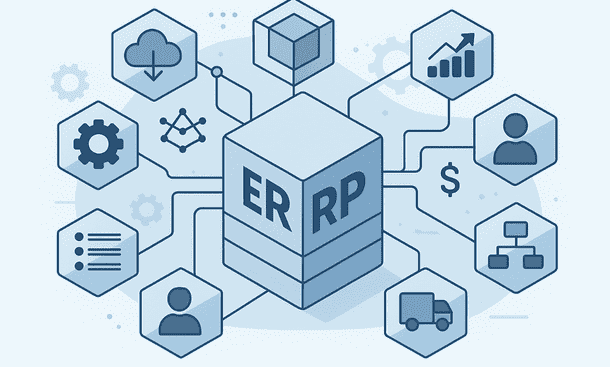
Composable ERP is redefining flexibility in enterprise software. Unlike traditional systems that bundle all functionality into a single monolithic platform, composable ERP consists of independent modules connected through standardized APIs. Each module addresses specific business needs, such as finance, inventory, or sales, allowing companies to deploy only what they require and expand later as operations grow.
For small businesses, this modular approach reduces upfront costs and shortens implementation timelines. Teams can adopt core functionality first, then add modules when new processes or markets emerge. The flexibility also minimizes disruption, as replacing or upgrading a single module does not affect the rest of the system. This is especially valuable in dynamic industries where operational requirements evolve quickly.
Composable ERP also enhances innovation. Businesses can experiment with new tools, integrate third-party services, or adopt advanced analytics without rebuilding the entire platform. This modularity encourages agility and supports long-term scalability. APIs ensure smooth communication between modules, maintaining data consistency and streamlining workflow automation.
For a deeper exploration of practical applications, the satellite article on composable ERP and modular architectures shows how small businesses can design flexible systems that evolve with growth and changing operational needs.
Industry-Specific ERP Systems Expanding in 2025
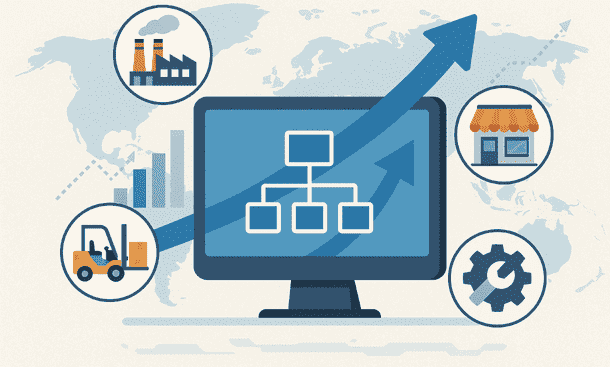
ERP is increasingly tailored to industry needs rather than a one-size-fits-all approach. Sector-specific solutions embed best practices, workflows, and compliance requirements unique to each field, allowing small businesses to implement software that aligns directly with operational realities.
For example, manufacturing companies benefit from modules that handle production scheduling, quality management, and supply chain tracking. Retailers gain integrated point-of-sale, inventory, and customer analytics tools. Professional services can focus on project costing, resource allocation, and time tracking. Healthcare and life sciences companies receive support for regulatory compliance, patient records, and inventory management. These pre-configured systems reduce setup time, lower customization costs, and speed up employee adoption.
The key advantage of industry-specific ERP is faster alignment with business operations. Teams spend less time adapting workflows and more time executing tasks efficiently. Reporting and analytics are also tailored, allowing managers to monitor metrics that truly matter for their sector.
For more insight into adopting specialized ERP for operational advantage, the satellite article on industry-specific ERP systems provides examples of sector-focused features and best practices for deployment.
Enhanced Cybersecurity and Compliance in ERP Platforms
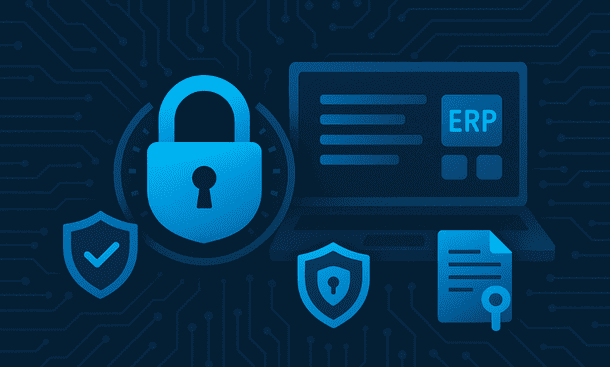
As businesses digitize more operations, ERP systems have become central to security and compliance strategies. Modern platforms integrate robust cybersecurity measures and regulatory compliance tools directly into their architecture, reducing risk while simplifying management for small businesses.
Built-in security includes data encryption, role-based access, and detailed audit trails. These features protect sensitive financial, operational, and customer information from unauthorized access and reduce the likelihood of costly breaches. Automated alerts and monitoring help teams respond to suspicious activity quickly, preventing minor issues from escalating.
Compliance is equally embedded. ERP systems now support financial reporting standards, industry regulations, and data privacy requirements such as GDPR or CCPA. Automated workflows ensure that transactions, documentation, and reporting remain consistent with legal obligations, reducing administrative overhead. Certifications like ISO or SOC compliance are often maintained by the vendor, giving small businesses confidence in audit readiness.
The combination of security and compliance within ERP platforms ensures that growth does not come at the expense of risk. Small companies can focus on scaling operations, improving efficiency, and innovating without worrying about exposure or regulatory gaps.
For practical strategies on building a secure and compliant ERP environment, the satellite article on ERP cybersecurity and compliance details how modular and industry-specific approaches can maintain safety while supporting business agility.
ERP trends in 2025 highlight flexibility, intelligence, and specialization as key drivers for enterprise software. AI-powered tools automate tasks and provide predictive insights, cloud-based SaaS platforms deliver scalability and accessibility, and composable ERP offers modular architectures that evolve with business needs. Industry-specific solutions reduce setup time and align workflows with sector standards, while integrated cybersecurity and compliance protect sensitive data and ensure regulatory adherence.
For small businesses aiming to build a secure, flexible, and industry-aligned system, exploring composable ERP and modular architectures provides a practical roadmap. Leveraging these trends allows entrepreneurs to scale operations efficiently, innovate without constraints, and maintain resilience in a rapidly changing market.
About the Author

mike
Mike is a tech enthusiast passionate about SaaS innovation and digital growth. He explores emerging technologies and helps businesses scale through smart software solutions.
Did you find this helpful?
Your feedback helps us curate better content for the community.