
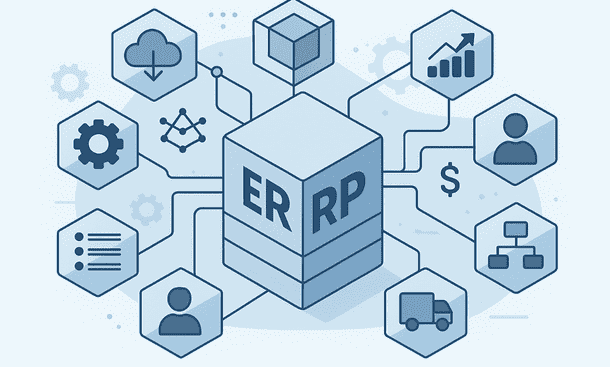
Composable ERP is becoming a real turning point for small businesses that want more control over their systems without the heavy structure of traditional enterprise software. When a company grows fast or shifts direction, a rigid ERP tends to hold it back. A flexible and modular approach changes that dynamic. It lets entrepreneurs adjust their tools at the same pace as their operations, without costly rebuilds or long implementation gaps.
I’ve spent years working with SaaS products and growth-focused teams, and the pattern is clear. Businesses want systems that evolve. They want software that adapts to the way they work, not the other way around. Composable ERP fits that mindset and gives small companies room to experiment and refine their processes without fear of breaking the entire system.
What Makes Composable ERP Different
A composable system is built from independent modules that connect through standardized APIs. Each module handles one major function, such as inventory, HR, accounting, or sales. You can deploy only what you need, then add or replace pieces later. This structure is especially attractive for small businesses because it lowers the barrier to entry. You avoid the large upfront investment, long migration cycles, and complex customization work common with older ERP models.
Many founders fear ERP because they think of something heavy and locked in place. Composable ERP breaks that picture. If a new financial tool emerges that fits your workflow better, you can bring it in without rebuilding your entire stack. If your warehouse management needs more automation, you can switch modules without touching sales or procurement. This gives teams more breathing room and makes innovation easier to adopt.
The modular approach also improves resilience. When each component works independently, issues stay isolated. If a single module fails, the rest continues running. This reduces downtime and keeps daily operations more stable.
Why Small Businesses Benefit Most
Large enterprises helped shape traditional ERP because they needed rigid processes to manage huge structures. Small businesses rarely follow that pattern. Their environment is fast, flexible, and constantly changing. They test new strategies, explore new channels, and scale at irregular speeds. This makes composable ERP a strong match.
Faster adoption
A small business can start with core modules such as billing, inventory, or purchasing. As the company grows, it adds more parts. No full rebuild. No long project plan. This reduces early stress during adoption.
Shorter training cycles
Because modules are specialized, teams don’t drown under a massive interface with features they don’t use. Staff can focus on what matters to their job and learn faster.
Lower long-term cost
Many entrepreneurs worry about subscription fatigue. While composable ERP does include multiple tools, it helps eliminate oversized systems that do far more than the business needs. Paying only for the modules that directly impact operations usually leads to a more balanced cost structure.
Stronger alignment with growth
When your business expands into e-commerce, retail, wholesale, or service delivery, you can plug in the right tools at the right time. You build your system around your strategy, not around a predefined template.
The Role of APIs and Integration Standards
APIs are the backbone of composable ERP. They allow independent modules to talk to each other smoothly. A good composable ERP follows two principles: clear communication between tools and predictable behavior when modules are added or removed. This setup helps small businesses reduce the hours usually spent on integration work.
Modern ERP vendors are adopting open standards such as REST and GraphQL. These standards help unify the way modules exchange data. For a small business, this means fewer surprises during integration and a simpler experience when bringing in third-party tools. If your team already uses SaaS tools for CRM, scheduling, or invoicing, a composable system can bring them together into a single workflow without forcing you to abandon what already works.
Good API design also allows smoother automation. When systems communicate consistently, workflows become easier to build. This connects well with trends explored in the satellite page dedicated to ERP automation and process workflows, which shows how businesses reduce manual work and streamline daily tasks.
Composable ERP and Innovation Speed
One of the biggest advantages in a modular system is the ability to test new ideas without exposing the entire organization to risk. You can try a new analytics tool for a month, evaluate the impact, and keep it only if it fits. You can test a more advanced warehouse module during peak season and switch back if it’s unnecessary for the rest of the year.
This is especially helpful for entrepreneurs who rely on experimentation. Whether you’re refining margins, opening a new sales channel, or adding subscription billing, a composable ERP keeps you agile. You adjust your system with small moves instead of one massive overhaul.
It also helps reduce vendor dependency. Traditional ERPs lock you into a single ecosystem. Composable ERP spreads your structure across several specialized providers. If one vendor doesn’t meet your expectations, you can phase them out without dismantling your entire system.
This freedom is becoming essential in 2025 as more SaaS companies shift to flexible licensing and modular pricing. Businesses want stable foundations and the freedom to replace what isn’t working.
Challenges To Consider When Moving To Composable ERP
While composable ERP offers many advantages, it also requires careful planning. The modular nature creates both flexibility and complexity. You need a clear understanding of how your data flows through your business and how different modules connect.
Integration management
You must ensure modules communicate smoothly. Most vendors simplify this, but adding too many tools can create conflict. Choosing modules from providers that respect the same integration standards reduces friction.
Data consistency
When different tools manage different parts of your business, controlling data quality becomes essential. Consistent naming, clean entries, and unified identifiers help avoid duplication.
Team alignment
Staff should understand which module handles what. If responsibilities overlap or shift, team workflows must be adjusted. Because composable systems evolve over time, clear documentation becomes important.
Vendor selection
Choosing reliable vendors for each module lets you avoid surprises. Look for stable update cycles, strong security policies, and transparent support channels.
If these concerns are handled early, composable ERP becomes far easier to maintain and offers long-lasting benefits.
Composable ERP brings a fresh approach to small business management. It cuts away old rigidity and introduces a flexible structure that matches the pace of modern entrepreneurship. The ability to mix, match, and evolve modules gives companies more freedom to grow, test ideas, and refine operations without heavy constraints. This mindset fits well in a world where technology changes fast and markets shift quickly.
For deeper insight on how automation fits into this modular environment, explore the satellite page focused on ERP automation and workflow integration, which expands on the operational gains a flexible system can unlock.
About the Author

mike
Mike is a tech enthusiast passionate about SaaS innovation and digital growth. He explores emerging technologies and helps businesses scale through smart software solutions.
Did you find this helpful?
Your feedback helps us curate better content for the community.