
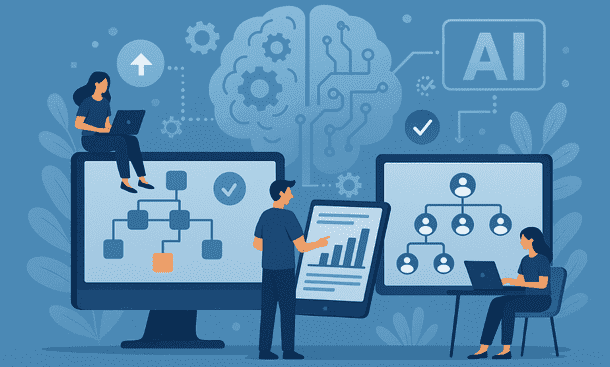
AI-driven automation has become a key reason many small businesses are upgrading their ERP systems. The shift is not only technical. It changes how teams work, how decisions are made and how daily operations run. Business owners want more clarity, less manual work and a system that grows with them. The movement is strong enough to reshape the entire ERP landscape. Anyone studying the major shifts can find a broader vision in the ERP trends 2025 guide, which shows how automation is taking center stage in modern platforms.
I have spent years exploring new SaaS tools and testing how automation affects productivity in real workflows. The direction for 2025 is clear. ERP automation is not a luxury anymore. It has become a basic expectation for small businesses that want to stay competitive. What was once advanced technology is now accessible, simple to adopt and able to bring impact from the first months of use.
Why automation matters for small businesses
Small businesses often operate with tight margins and limited teams. Every hour counts. When core tasks depend on manual entry, scattered spreadsheets and repetitive steps, growth becomes slow. Mistakes repeat, data gets outdated and managers lose time trying to fix inconsistencies.
Automation changes this dynamic. When your ERP handles core operations without constant human involvement, the entire business feels lighter. Information flows without interruption. Departments stay aligned. Inventory, accounting and customer data remain consistent.
The most common gains that small teams report include lower workload, fewer errors, faster reporting and a better feeling of control. Automation does not replace people. It frees them from mechanical work so they can focus on decisions and improvement. As a result, the business becomes more resilient.
How AI-driven automation works inside modern ERP
AI-driven automation focuses on patterns instead of rules. Traditional ERP automation required fixed instructions. If a step changed, the workflow broke. AI models work differently. They adapt to variations and learn from historical behavior.
In 2025, most leading ERP systems use automation in three main forms.
1. Automated data entry and validation
A large share of errors in daily operations comes from manual data entry. Modern systems reduce this problem by recognizing patterns in invoices, orders and stock movements. They cross-check information, spot missing fields and highlight values that do not fit past behavior.
This keeps the database clean without constant supervision. It also cuts the time needed for onboarding new team members since the system guides them instead of relying on personal experience.
2. Predictive workflows that trigger actions
Predictive models study daily rhythms. Once they recognize a pattern, they can trigger the right step at the right moment. A business can receive reminders when stock levels drop or when a purchase pattern indicates future demand changes. Finance teams receive early warnings about cash flow shifts based on trends, not only numbers in the present moment.
These small adjustments reduce risk and help owners prepare for seasonal changes or unexpected peaks.
3. Real-time recommendations for decisions
ERP systems now go beyond reports. They offer explanations and suggestions based on current activity. When a supplier becomes slower than usual, the system can alert the purchasing team and propose alternatives. When customer payment delays rise, the platform can highlight the accounts that need attention.
This reduces the weight on managers who often juggle many responsibilities. The system becomes a quiet partner that keeps an eye on hidden patterns.
Automation use cases that matter the most in 2025
Small businesses feel the impact of automation in daily operations rather than in abstract dashboards. These are the areas where the benefits show clearly.
Inventory management
Stock levels often create stress. Too much inventory locks cash flow. Too little leads to lost sales. ERP automation tracks patterns in sales and supplier behavior. It adjusts reorder points automatically and predicts the best timing for purchases.
Retail stores, restaurants and ecommerce shops benefit the most. They get a smoother rhythm with fewer surprises.
Financial operations
Accounting teams spend hours reconciling transactions or searching for mismatches. Automated ERP systems classify entries based on past patterns, match invoices and bank movements and warn when something looks unusual.
This reduces the fatigue that usually comes from closing periods. Business owners gain a clearer view of their financial health throughout the month, not only at the end.
Sales follow-up and customer activity
CRM modules inside ERP systems use automation to track behavior and trigger reminders. If a customer stops ordering while they usually buy each month, the system notifies the sales team. If a lead opens a proposal after a long silence, the system pushes a follow-up task.
This keeps opportunities alive without depending on constant manual checking.
Supply chain and purchasing
Small suppliers often operate with fluctuating delivery times. Automation helps predict delays and adjust orders before they create problems. It also identifies rising costs and helps negotiate better terms.
In 2025, more businesses adopt this type of automation to reduce exposure to sudden changes in global supply chains.
The real impact on productivity and decision-making
Automation does more than save time. It changes how teams think. When repetitive work disappears, people can analyze patterns, build better processes and propose improvements.
Managers gain real-time visibility instead of outdated snapshots. They feel less pressure because the system catches irregularities early. This often leads to better decisions and a more stable business rhythm.
Employees feel supported. They can contribute ideas instead of spending the day fixing errors or repeating steps. The workplace becomes calmer because the system handles the mechanical load.
For growing businesses, automation becomes a strategic asset rather than a technical feature. It strengthens the entire organization.
How to prepare your business for AI-driven automation
Adopting automation does not require a complete transformation. Small steps create strong impact. The most important points to consider include:
1. A clean data foundation
Automation depends on data quality. Before deploying advanced features, teams should review core fields and clean outdated values. Even a small improvement in structure helps the system work better.
2. A focus on simple workflows first
Businesses do not need to automate everything at once. The best starting point is a single workflow that repeats daily. It might be invoice matching, purchase orders or stock updates. When the team sees the impact, motivation grows naturally.
3. Clear roles and responsibilities
Automation reduces manual tasks, but it still needs supervision. Teams should know who monitors alerts, who validates recommendations and who adjusts rules when the business changes.
4. Regular review of outcomes
Every quarter, managers should check how automation affects workloads, accuracy and decision-making. Small adjustments keep the system aligned with real needs.
Challenges entrepreneurs should expect
Automation brings many benefits, but it also requires attention. Three challenges often appear.
1. Overreliance on automated recommendations
Systems provide guidance, but final decisions remain human. Entrepreneurs should treat suggestions as support, not rules.
2. Fear of change among teams
Some employees worry that automation removes value from their work. Small businesses should communicate openly and focus on how automation supports them, not replaces them.
3. Need for continuous updates
ERP systems evolve, and automation features improve each year. Businesses need to plan regular updates to keep performance high.
When these challenges are managed with clarity, automation becomes a strong advantage rather than a risk.
AI-driven automation has become one of the most powerful forces shaping ERP adoption in 2025. It helps small businesses reduce manual work, keep data clean, predict demand and make better decisions. When teams embrace this shift, daily operations feel smoother and growth becomes easier to manage.
For entrepreneurs exploring deeper transformations around ERP, the growing move toward flexible architectures shines in the modular ERP systems guide, which explains how composable platforms support long-term adaptability.
About the Author

mike
Mike is a tech enthusiast passionate about SaaS innovation and digital growth. He explores emerging technologies and helps businesses scale through smart software solutions.
Did you find this helpful?
Your feedback helps us curate better content for the community.